

Traveling the world does not have to mean spending a fortune or planning every detail alone. With the right approach, you can explore new destinations, meet interesting people, and enjoy memorable experiences without putting unnecessary pressure on your budget. This is where small group travel can make a real difference.
Whether you are traveling solo, planning a holiday with friends, or looking for a more organized family adventure, joining a small group can offer a practical balance between independence and convenience. You may share transportation, benefit from a knowledgeable guide, and discover places that are harder to explore on your own.
However, not every group trip is affordable, and a lower advertised price does not always mean better value. Accommodation, meals, optional activities, transport, and single-room supplements can change the final cost considerably.
This guide explains how small group trips work, how to choose the right experience, and how to plan a more affordable adventure while protecting your comfort, safety, and travel budget.
What Is Small Group Travel and How Does It Work?
Small group travel involves exploring a destination with a limited number of other travelers, usually as part of an organized trip led by a tour leader or local guide. The group size varies between companies and activities, so there is no single universal definition of a small group.
Some trips focus on cultural experiences, while others involve hiking, wildlife watching, food tours, sightseeing, or multi-country adventures. Depending on the operator, transportation, accommodation, selected activities, and some meals may be included.
Unlike independent travel, where you arrange everything yourself, an organized group trip provides a planned structure. Compared with a large coach tour, a smaller group may offer more opportunities for personal interaction and flexible experiences.
For example, a small cultural tour might include visiting a historic neighborhood, eating at a locally owned restaurant, and learning about regional traditions from a guide. An outdoor adventure could combine guided hikes, scenic journeys, and shared accommodation.
The important point is that group size alone does not determine quality. A good trip should match your budget, interests, preferred pace, and expectations.

Why Small Group Travel Can Be a Smart Budget Choice
Travel costs can rise quickly when you pay for transportation, accommodation, activities, and planning services separately. A well-organized group trip may help you manage some of these expenses more effectively.
1. How Small Group Travel Helps Share Costs
Depending on the package, travelers may share minibus transfers, guided excursions, or other transportation arrangements. Organizers can sometimes negotiate group rates for accommodation and activities.
These arrangements may reduce the cost per person compared with booking similar services individually. However, savings are not guaranteed. Always compare the complete package with the cost of arranging the same trip independently.
2. How Small Group Travel Reduces Planning Stress
Researching transportation routes, checking local schedules, comparing accommodation, and booking attractions can take hours.
A group tour can simplify these tasks because the operator arranges many details in advance. This is particularly helpful when visiting a destination where transport connections or language differences make independent planning more complicated.
The convenience is valuable, but remember to check which services are actually included in the price.
3. Small Group Travel and Local Experiences
Local guides can introduce travelers to regional food, cultural traditions, historic areas, and community businesses that they might otherwise overlook.
Responsible Travel’s small-group travel guidance highlights the value of local knowledge, cultural experiences, and smaller-scale accommodation. https://www.responsibletravel.com/holidays/small-group/travel-guide
For budget-conscious travelers, local experiences can also provide alternatives to expensive tourist attractions. A neighborhood walking tour, local market visit, or public cultural event may offer a memorable day without requiring a large activity budget.
4. Make Solo Travel More Social
Traveling alone can be rewarding, but arranging every transfer or activity independently may sometimes feel challenging.
Joining a small group provides opportunities to meet other travelers while enjoying an organized itinerary. You can participate in shared activities and still choose independent time when the schedule permits.
Before booking, check whether the tour welcomes solo travelers and whether a single-room supplement applies. Sharing a room should never be assumed unless the operator explicitly confirms the arrangement.
5. Spend Less Time Managing Logistics
An organized itinerary can help you avoid unnecessary backtracking, missed connections, and poorly coordinated activities.
This does not automatically make a tour cheaper, but it can improve the value of your travel time. The best option is one that combines sensible planning with enough flexibility to enjoy the destination rather than rushing through it.
How to Choose Affordable Small Group Travel
Finding an affordable trip requires more than sorting tours by their starting prices. Use the following steps to compare your options carefully.
Step 1: Set Your Total Travel Budget
Start by deciding how much you can comfortably spend on the entire trip.
Your budget should account for:
- Flights or long-distance transportation
- Accommodation and meals
- Local transfers and public transport
- Guided tours and entrance fees
- Travel insurance and necessary documentation
- Optional activities and personal spending
- Emergency funds and unexpected expenses
For example, if a tour package costs less than another option but excludes several meals and airport transfers, its final cost could be higher than expected.
Create a simple comparison sheet and record the included services alongside each package price. This makes it easier to compare like-for-like options.
Step 2: Compare the Group Sizes
Ask the operator for the maximum number of participants rather than relying only on the words “small group.”
A group of eight people may provide a different experience from a group of twenty. Smaller groups can sometimes access narrower streets, smaller vehicles, or intimate local experiences more easily, although this depends on the destination.
Larger groups may offer lower per-person rates because costs can be spread across more participants.
Choose the size that offers the best balance between price, comfort, and the type of experience you want.
Step 3: Check What the Package Includes
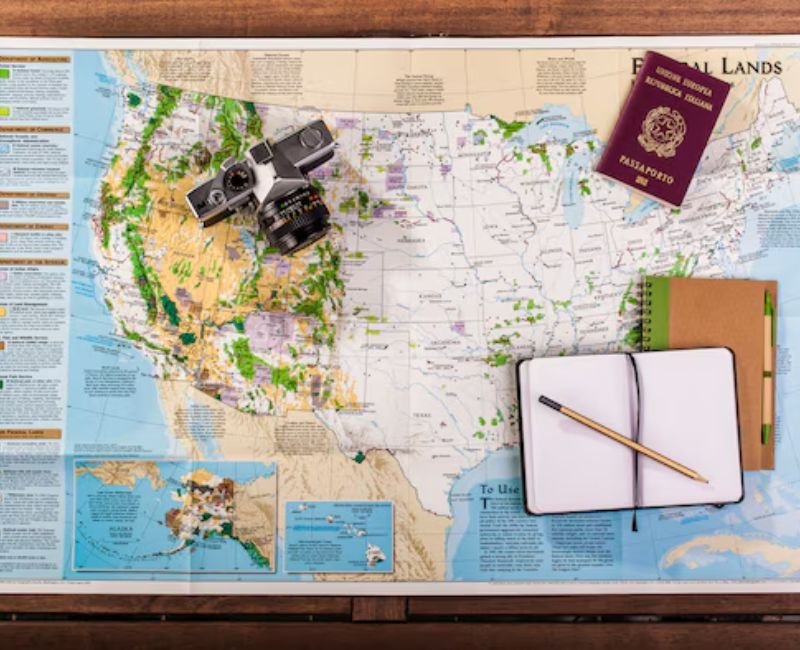
Read the itinerary and inclusions before making a payment.
Check whether the advertised price covers accommodation, breakfasts, airport transfers, local transportation, guide services, entrance tickets, and major activities.
Also look for exclusions such as:
- International flights
- Lunches and dinners
- Visa fees
- Optional excursions
- Tips and service charges
- Travel insurance
- Single-room supplements
A transparent tour operator should explain these details before you book. If an important cost is unclear, ask for written clarification.
Step 4: Travel During Less Busy Periods
If your dates are flexible, compare departures outside peak holiday periods. Planning a seasonal trip can also help you discover destinations that match your travel preferences. Explore our guide to best summer vacation ideas for inspiration on choosing memorable places for your next holiday.
Shoulder-season travel may offer better accommodation availability and lower prices in some destinations. However, weather conditions, local events, transport schedules, and seasonal closures can affect the overall experience.
Compare the same itinerary across different departure dates and check the expected weather before choosing a cheaper option.
Step 5: Read Recent, Relevant Reviews
Look for reviews that describe the actual experience rather than relying entirely on star ratings.
Pay attention to comments about the tour leader, itinerary accuracy, accommodation quality, transportation, group size, and unexpected expenses.
Recent reviews for the specific departure or itinerary can be more useful than general praise for the company. Check how the operator responds to complaints, particularly those involving refunds, safety, or misleading inclusions.
Best Types of Small Group Trips for Budget Travelers
The right trip depends on your interests, available time, and spending limits. These travel styles are worth considering.
Cultural and City Tours
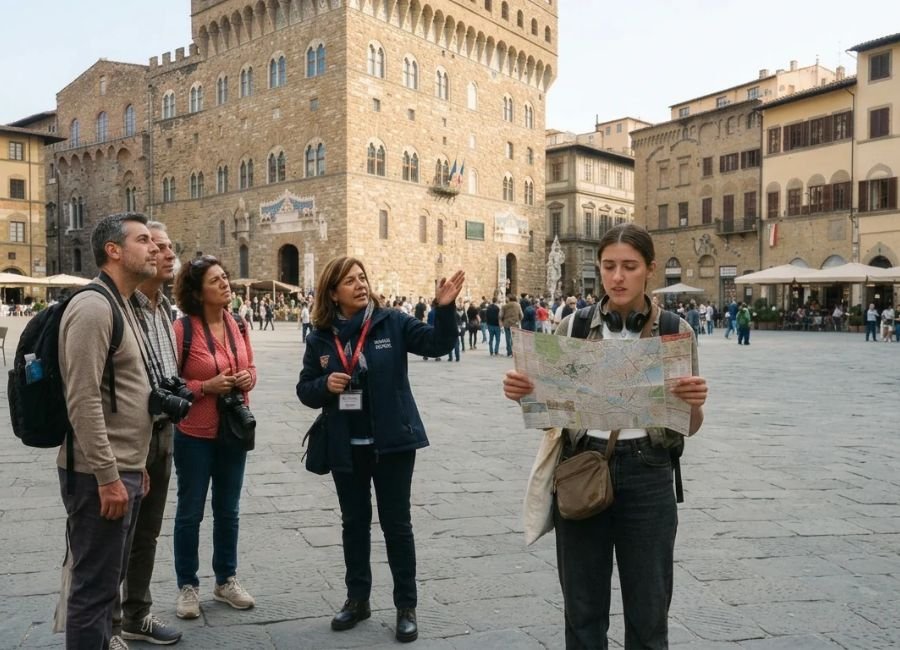
City-based tours can combine historic landmarks, local neighborhoods, markets, museums, and regional food.
Look for itineraries that include walking tours and public transportation rather than relying entirely on private transfers. You may also save by choosing a package with a few guided highlights and enough free time for independent exploration.
This option can suit first-time visitors who want an introduction to a destination without planning every detail.
Hiking and Nature Adventures
Small groups can be practical for guided hikes, national park visits, and outdoor excursions where local knowledge or organized transport is useful.
Before booking, check the fitness level, equipment requirements, park permits, guide qualifications, and weather-related cancellation policy.
A low package price may exclude essential equipment or transfers, so compare the complete cost before deciding.
Small Group Travel: Food and Local Experiences
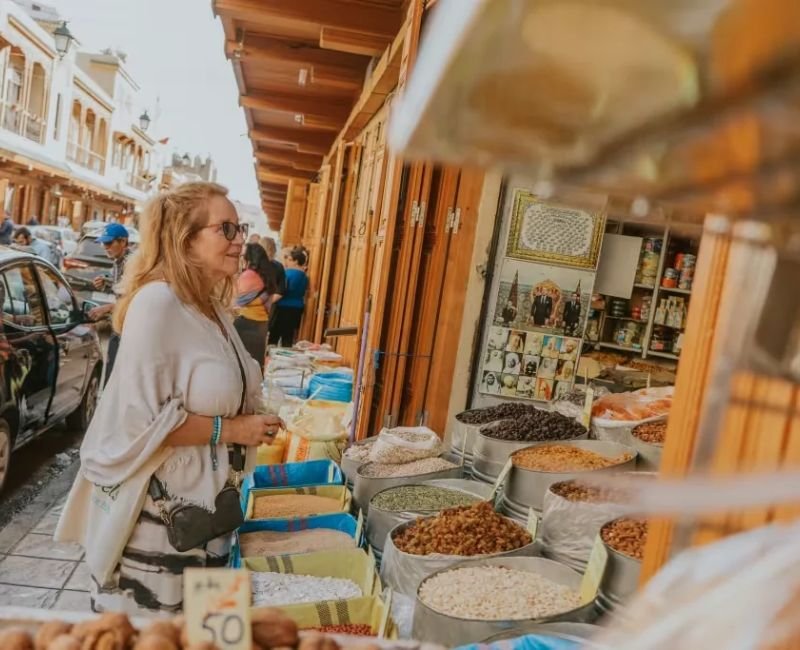
Food-focused trips may include cooking classes, market visits, regional tastings, or meals with local hosts.
To keep spending under control, check how many meals are included and whether additional tastings cost extra. If you have dietary requirements, confirm them with the operator before paying.
These trips can be especially worthwhile when experiencing local cuisine is one of your main reasons for traveling.
Wildlife and Adventure Tours
Wildlife watching, kayaking, cycling, and other activity-based trips may involve specialist guides, permits, equipment, or transportation.
Compare the safety arrangements and environmental practices as carefully as the price. Responsible operators should explain how they protect wildlife, respect local communities, and manage activities appropriately.
Choose a trip that fits your experience level rather than paying for an activity you are unlikely to enjoy safely.
Short Weekend Getaways
A short group trip can be a useful way to test whether organized travel suits you before committing to a longer holiday.
Choose a destination within a reasonable travel distance, compare transport options, and avoid itineraries that spend most of the weekend moving between locations.
For additional inspiration, explore our weekend trip ideas for ways to plan a memorable short break.
How to Make Small Group Travel Even Cheaper
A group tour can simplify planning, but your everyday choices still affect the final cost.
Book at the Right Time
Compare early-booking offers with later departures, but never assume that waiting will produce a lower price. Popular dates may sell out, while some operators discount remaining spaces.
Check the cancellation policy, deposit requirements, and refund conditions before paying.
Choose Practical Accommodation
If accommodation is included, compare its location, room arrangements, and facilities.
A cheaper hotel far from the main attractions may increase your daily transportation expenses. A centrally located budget hotel or guesthouse could provide better overall value.
If accommodation is not included, check whether the group has recommended options or negotiated rates.
Use Free Time Wisely
A planned group itinerary may leave certain afternoons or evenings free. Use these periods to explore public parks, historic streets, local markets, or free-entry attractions.
Your guide may also suggest affordable restaurants and convenient transport options.
Do not feel obliged to join every optional excursion. Choose activities that genuinely interest you and fit your budget.
Pack for the Itinerary
Check the weather, baggage allowance, and activity requirements before departure.
Packing comfortable walking shoes, suitable clothing, reusable essentials, and any required personal equipment can help you avoid unnecessary purchases at tourist destinations.
For outdoor activities, follow the operator’s equipment and safety recommendations rather than leaving essential items behind to save luggage space.
Keep a Daily Spending Limit
Divide your available spending money across the trip, allowing extra room for unexpected needs.
Track meals, snacks, transport, souvenirs, and optional activities. A simple note on your phone can help you identify overspending before it affects the rest of your holiday.
Keep emergency money separate from your everyday spending allowance.
Small Group Travel Safety: What to Check Before Booking
Affordability should never come at the expense of safety or reliable service.
Before booking, research the tour operator’s business details, recent reviews, cancellation terms, and contact information. Check whether the company uses qualified guides where required and whether its insurance and safety arrangements are appropriate for the activities offered.
For hiking, wildlife trips, water sports, or other higher-risk activities, ask about emergency procedures, group supervision, equipment standards, and the guide’s relevant experience.
You should also review the latest official travel advice for your destination, entry requirements, and any health or insurance requirements that apply to your circumstances.
Use a payment method with suitable consumer protections where available. Be cautious of unusually low prices, pressure to pay immediately, unclear itineraries, and requests to transfer money to unverified accounts.
A trustworthy operator should answer reasonable questions clearly and provide written booking details.
Is Small Group Travel Better Than Independent Travel?
Neither option is automatically better. The right choice depends on how you prefer to travel.
Independent travel gives you greater control over departure times, accommodation, meals, and daily activities. It may be more economical if you enjoy researching deals, using public transportation, and arranging bookings yourself.
Small group travel can be more convenient when you want local guidance, organized transportation, shared activities, or help navigating an unfamiliar destination.
| Factor | Small group travel | Independent travel |
| Planning | Many arrangements handled by the operator | You arrange most details |
| Flexibility | Usually follows a set itinerary | Greater control over your schedule |
| Social experience | Built-in opportunities to meet people | Depends on your choices |
| Cost control | Depends on package inclusions | More direct control over spending |
| Local guidance | Often included | Must be arranged separately if needed |
Compare the full costs of both options before deciding. For some destinations, a group package offers good value; for others, independent travel using public transport and affordable accommodation may be cheaper.
How to Choose the Right Group for You
The people you travel with can influence your experience almost as much as the destination.
Check the advertised age range, activity level, accommodation arrangements, and expected pace. Some tours focus on adventure, while others prioritize cultural learning, relaxed sightseeing, or family activities.
If you are traveling with children, confirm age restrictions, room arrangements, and whether the itinerary includes suitable breaks. If you are traveling solo, ask how free time works and whether you can choose a private room.
You should also consider group expectations. Some tours are highly structured, while others leave several activities optional. Neither style is inherently better, but choosing the wrong one can make a trip feel stressful.
Read the itinerary carefully and ask questions before committing to a non-refundable booking.
A Simple Checklist Before You Pay
Use this checklist to make a more confident booking decision:
- Confirm the maximum group size.
- Compare the total cost, not just the advertised price.
- Read the itinerary and identify all excluded expenses.
- Check recent reviews for the specific tour.
- Verify the operator’s contact details and booking terms.
- Review cancellation, refund, and travel insurance conditions.
- Confirm accommodation, room-sharing rules, and single supplements.
- Check entry requirements, local guidance, and activity restrictions.
- Keep an emergency fund for unexpected expenses.
Taking a little extra time before booking can help you avoid unpleasant surprises later.
Final Thoughts
Small group travel can be a practical way to explore new places, meet fellow travelers, and enjoy organized experiences without managing every detail yourself. For budget-conscious travelers, the greatest benefit comes from choosing a trip that offers genuine value rather than simply the lowest advertised price.
Compare inclusions, research the operator, check the group size, and account for additional expenses before making a decision. Consider your preferred travel style, comfort level, and the amount of independence you want.
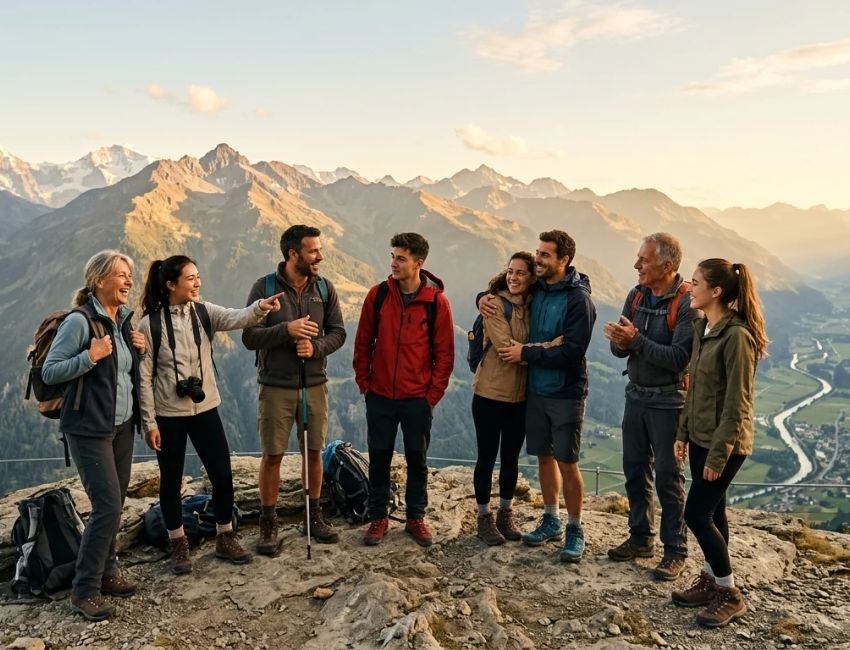
With thoughtful planning, you can find a group trip that suits your interests and budget while leaving room for the experiences that make travel memorable.
At Tripliva, our goal is to help travelers make informed decisions, spend wisely, and explore more confidently. The best trip is not necessarily the cheapest one; it is the one that delivers the experiences you value at a cost you can comfortably afford.
Frequently Asked Questions
1. What is small group travel?
Small group travel means exploring a destination with a limited number of travelers, often with an organized itinerary and a tour leader.
2. Is small group travel cheaper than traveling alone?
It can be cheaper when shared transportation, accommodation, or activities reduce overall costs, but comparing complete prices is essential.
3. Is small group travel suitable for solo travelers?
Yes, many tours welcome solo travelers, although private rooms and single supplements may increase the total cost.
4. How many people are usually in a small group tour?
Group sizes vary by operator and activity, so check the stated maximum number of participants before booking.
5. How can I choose a safe and affordable group tour?
Compare total costs, recent reviews, operator credentials, safety arrangements, itinerary details, and cancellation policies before paying.